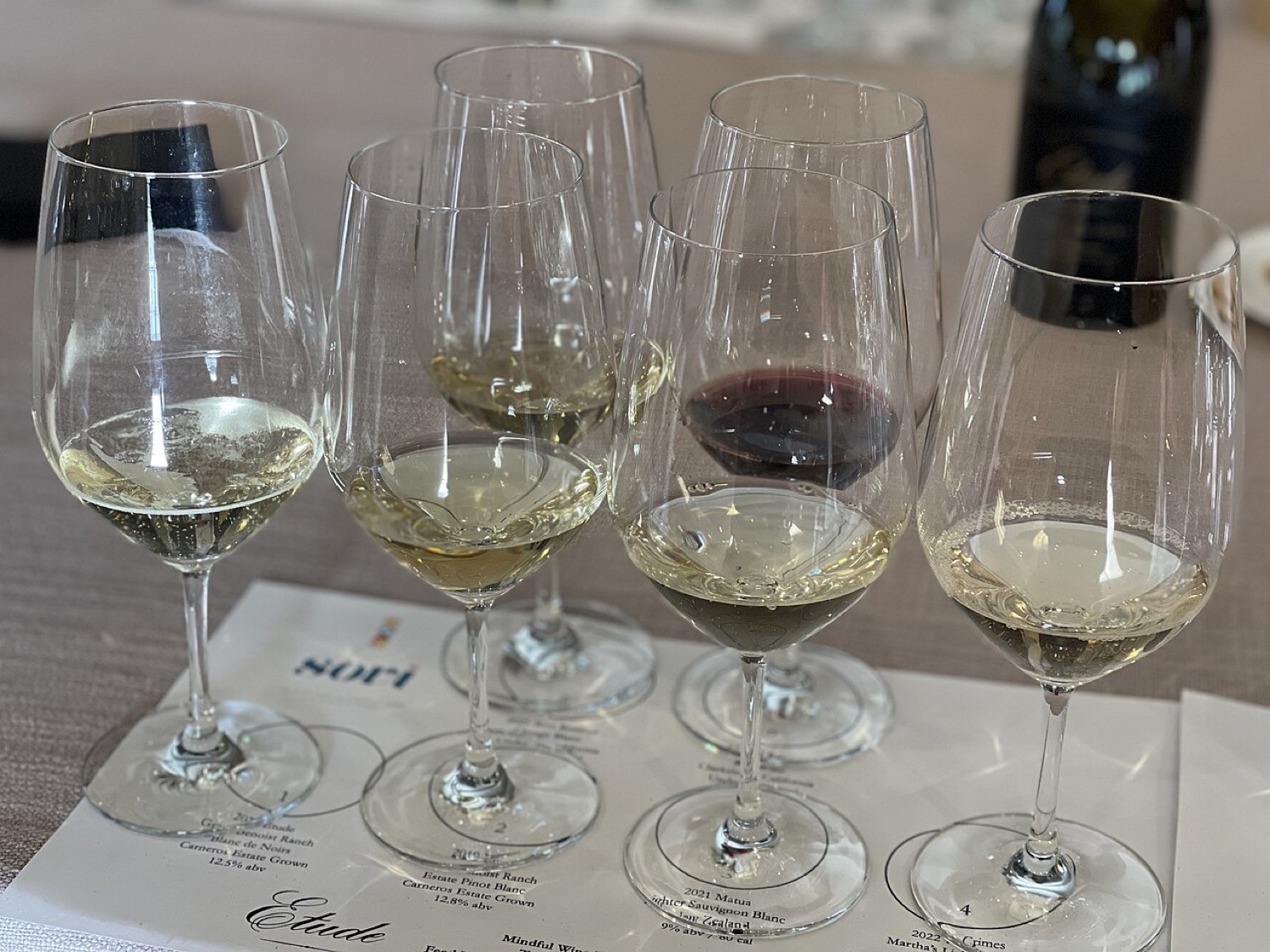
Blind Tasting and Poker: Wine as a Game of Odds
August 14, 2026
A sommelier identifying a wine blind and a poker player reading a hand are doing remarkably similar things. Both start with incomplete information, weigh probabilities, update their guess as new clues arrive and commit to a decision under pressure. Neither is magic; both are disciplined reasoning about odds.
The deductive grid
Professional blind tasters use a structured method, often called the deductive grid. They note sight (colour, intensity, rim), nose (fruit, earth, oak, faults), and palate (sweetness, acidity, tannin, alcohol, body, finish), then reason from those observations to a conclusion: grape, region, age and quality. The Court of Master Sommeliers, founded in 1977, made this method famous. In its final tasting exam, candidates must identify six wines blind in 25 minutes, and only a few hundred people worldwide have ever earned the Master Sommelier title.
Base rates: the starting hand
Good poker players begin with ranges, the set of hands an opponent is likely to hold given the situation. Good tasters begin with base rates. On a California wine list, a deep, full-bodied red with blackcurrant and firm tannin is far more likely to be Cabernet Sauvignon than anything else, simply because there is so much Cabernet. Each clue then shifts the odds. Pepper and violets push towards Syrah; bright acidity, sour cherry and tobacco towards Sangiovese; plush plum and soft tannin towards Merlot. That is Bayesian reasoning, and it is exactly how a player narrows an opponent's range street by street.
| Clue in the glass | Shifts the odds towards |
|---|---|
| Blackcurrant, cedar, firm tannin | Cabernet Sauvignon, possibly mountain-grown |
| Black pepper, violets, smoked meat | Syrah |
| Sour cherry, high acid, dried herbs | Sangiovese |
| Plum, chocolate, soft round tannin | Merlot |
| Green apple, crisp, no butter | Non-malolactic Chardonnay |
Counting outs: the poker side
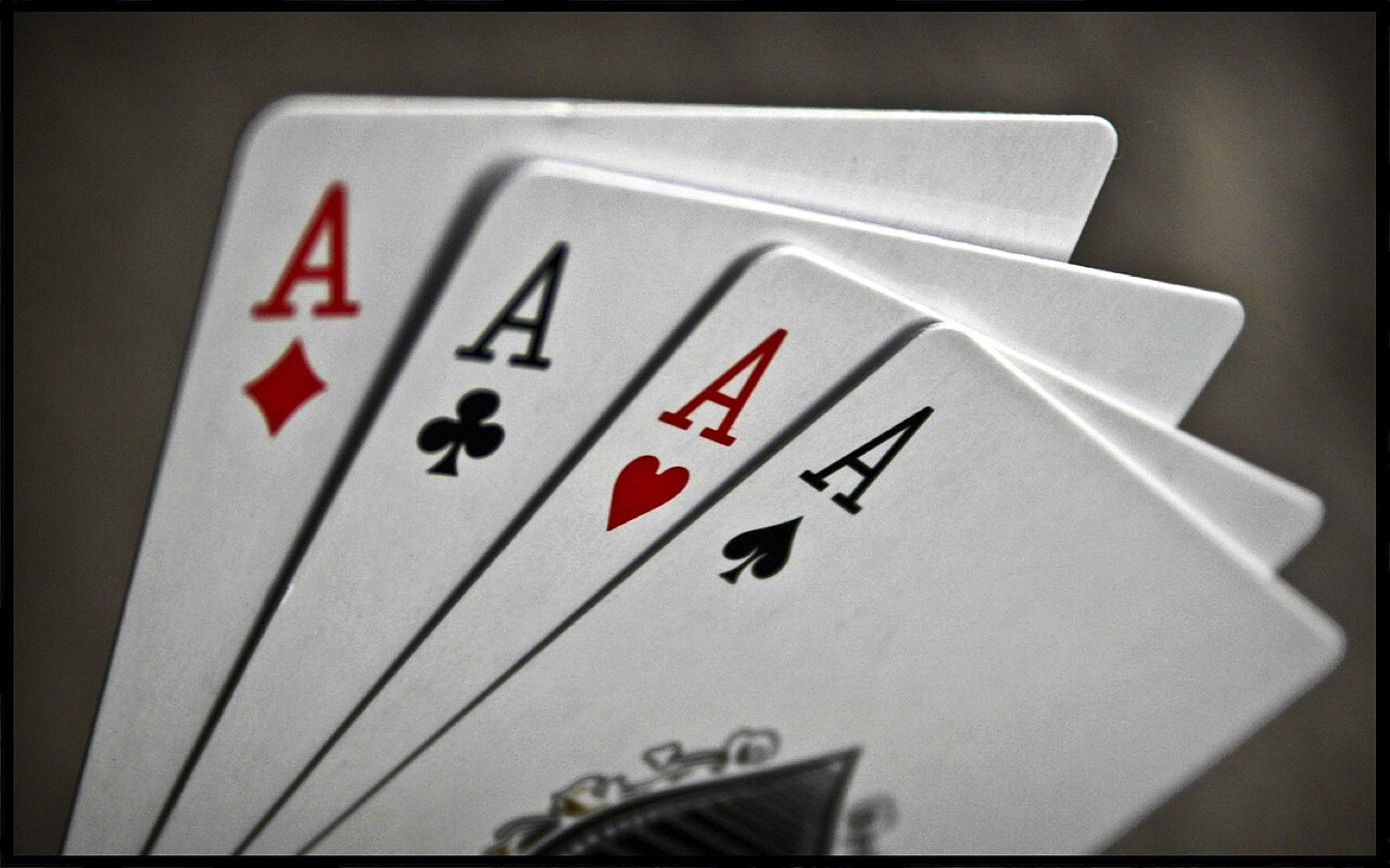
Poker's core maths is simple enough to learn in an evening. Suppose you hold four cards to a flush after the flop. There are nine cards of your suit left among the 47 you have not seen. The chance of hitting one on the next card is 9 in 47, about 19 percent; the chance of hitting by the river, with two cards to come, is about 35 percent. A popular shortcut multiplies your outs by four after the flop, or by two with one card to come. Compare those odds with the price the pot offers, and you know whether to call. A taster commits in the same way: once the evidence points strongly enough, name the wine and move on.
Bias: the tell you give yourself
Poker players watch for tells in others; tasters must watch for tells in themselves. Researchers have repeatedly shown how easily expectations sway perception. In a frequently cited French experiment, students described a white wine coloured red with red-wine vocabulary, and a well-known Caltech study found that people reported enjoying the same wine more when told it was expensive. That is why the 1976 Paris tasting was so devastating: tasted blind, the famous labels lost their advantage. We tell that story in the Judgment of Paris and betting on vintages.
A blind tasting game for poker night
- Ask each guest to bring one bottle in a paper bag, with the grape and region written on a card inside.
- Pour each wine blind between hands. Each player writes down grape, region and a guess at the vintage.
- Score one point for the grape, one for the region and one if the vintage is within two years.
- Award chips for points, and let the night's champion choose the bottle for the final hand.
The oldest competition of this kind is the annual varsity blind tasting match between Oxford and Cambridge, held since 1953. Our food pairing guide suggests what to serve alongside, and mountain viticulture explains why the grower's harvest call is a gamble of its own.