Wine Auctions and the Gamble of Buying Futures
September 5, 2026
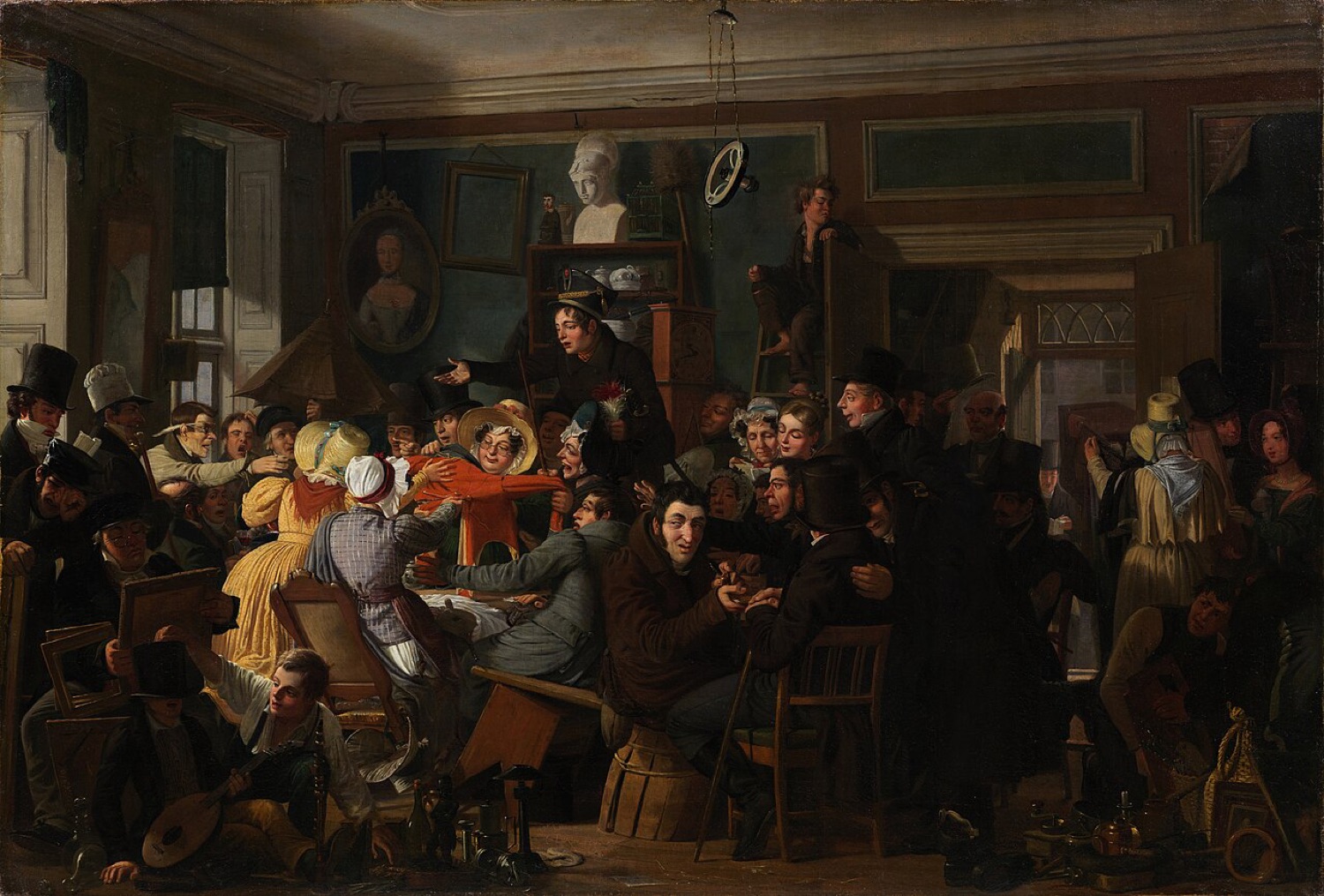
Wine and wagering have always met at the auction room. The bidder raising a paddle for a rare lot is making a judgement about value, rivalry and future pleasure in the space of a few seconds, and the buyer of wine futures is placing a bet on a vintage that will not be bottled for two years.
Auction Napa Valley: a short history
The Napa Valley Wine Auction, now known as Auction Napa Valley, was first held in June 1981 at the Meadowood resort near St. Helena. Organised by the Napa Valley Vintners to raise money for local charities, the first sale ran for hours in extreme heat, with the British auctioneer Michael Broadbent at the rostrum, and its highlight was the first case of Opus One, the Mondavi–Rothschild joint venture, sold for a then-remarkable sum. The auction grew into one of the largest charity wine events in the world. In 2000 a six-litre bottle of 1992 Screaming Eagle sold for $500,000, at the time the highest price ever paid for a single bottle of wine. In 2005 the auction raised a record of more than $10 million, and in the 2010s totals climbed higher still. The vintners say proceeds have funded more than $180 million of grants to Napa County health, housing and education programmes.
For small producers the auction week has always been a stage. Many host dinners and vineyard brunches for bidders, and donate signed large-format bottles; a three-litre bottle of a small-lot mountain Cabernet, signed and decorated by the winemaker, can fetch thousands of dollars for charity. Read about how such wines are made in small-lot winemaking.
Auction Napa Valley milestones
- 1981
- First auction at Meadowood; first case of Opus One sold
- 2000
- Six-litre 1992 Screaming Eagle sells for $500,000
- 2005
- Record total of more than $10 million at the time
- 2010s
- Annual totals reach well into eight figures
- Beneficiaries
- Napa County non-profits in health, housing and education
Barrel auctions: buying the unborn wine
Napa also has a trade-only barrel auction, Premiere Napa Valley, held each winter since the late 1990s. Wineries make one-of-a-kind lots, often a few cases each, and retailers and restaurateurs bid on wine that is still in barrel. Buyers taste a sample, judge how it will develop, and pay before the wine exists in bottle. That is a bet in all but name.
En primeur: Bordeaux's futures market
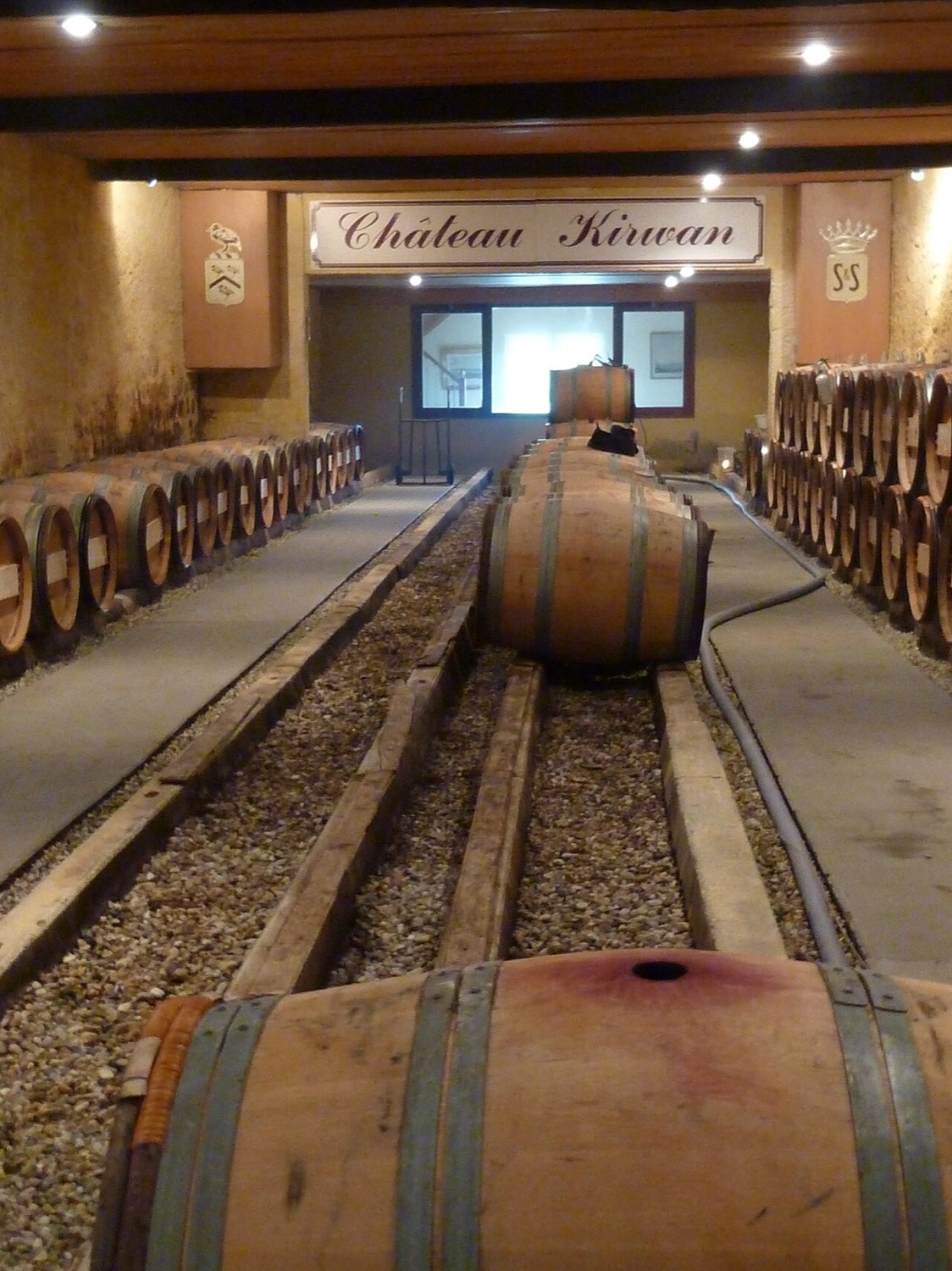
Each spring, the châteaux of Bordeaux release part of the previous vintage as futures, known as en primeur. Merchants and collectors pay now and take delivery when the wine is bottled, roughly eighteen months to two years later. Critics taste barrel samples in April, publish scores, and prices are set in the weeks that follow. When the vintage is hailed and prices rise, early buyers win. When the market turns, they can find that the bottled wine sells for less than they paid. The surge in demand for top Bordeaux in the late 2000s, followed by a sharp fall after 2011, showed how quickly the odds can change.
The odds, honestly assessed
- Price risk. Futures can fall as well as rise, especially after a run of hyped vintages.
- Counterparty risk. You are trusting a merchant to deliver in two years; choose established firms.
- Provenance. At auction, storage history matters enormously. The counterfeiting scandal that ended with the conviction of the dealer Rudy Kurniawan in 2013 made buyers far more careful.
- The real payoff. The safest way to win is to buy wine you will enjoy drinking whatever happens to its price.
Napa's equivalent of futures is the mailing-list allocation, where buyers commit each year to wines they have not yet tasted. To judge a vintage before buying, read vintage charts explained, and for the most famous wine bet of all, the Judgment of Paris.