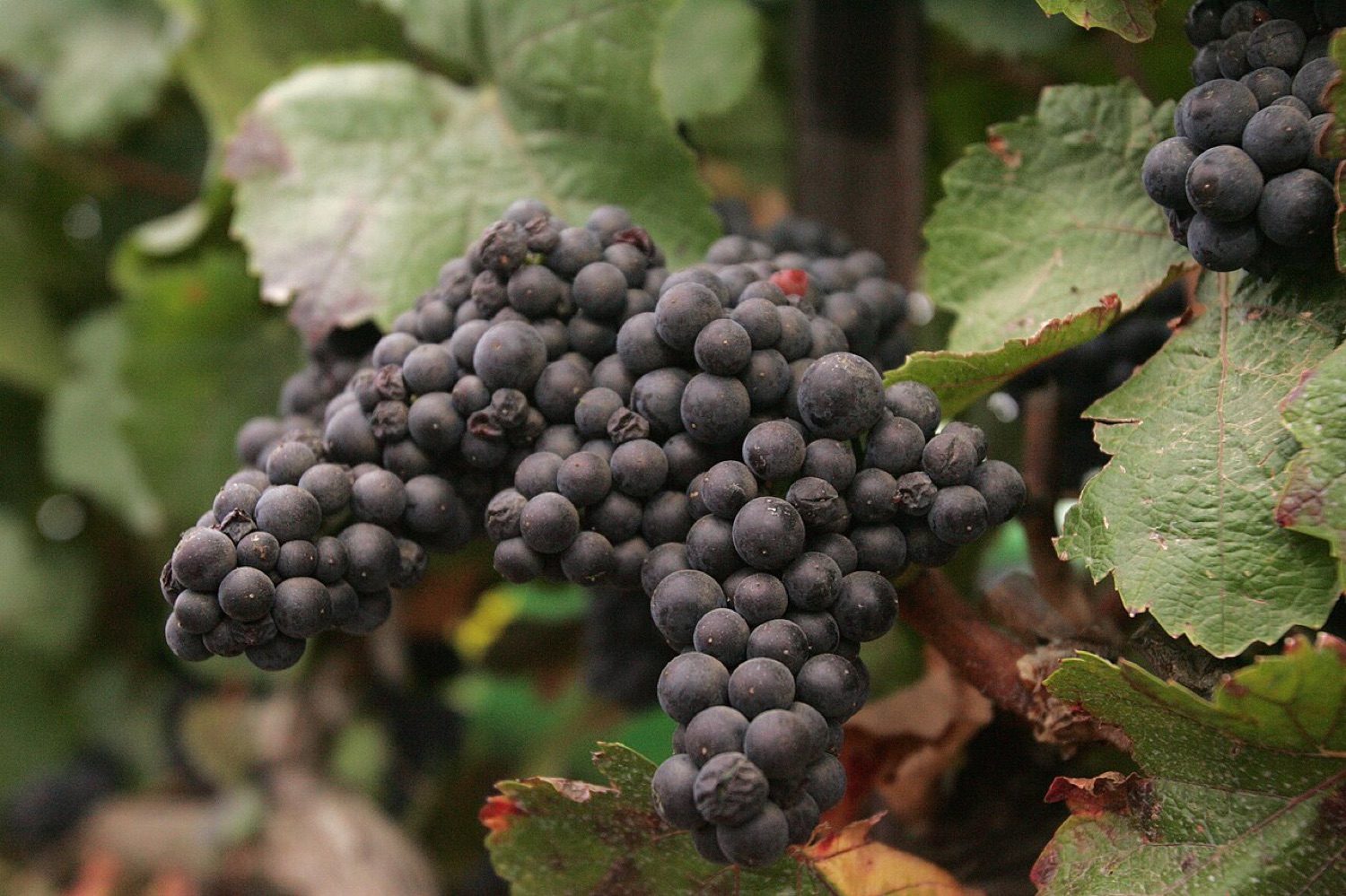
Syrah in Napa Valley: The Mountain's Underdog Grape
September 2, 2026
In a valley built on Cabernet, Syrah is the outsider. It covers only a small fraction of Napa's vineyard land and rarely features in the valley's marketing. Yet many growers on rocky hillsides will tell you that their Syrah is the best wine they make.
From the Rhône to California
Syrah's homeland is the northern Rhône Valley of France, where it makes Hermitage and Côte-Rôtie on steep granite slopes. In Australia, under the name Shiraz, it became the national red grape. California planted serious Syrah only in the 1970s and 1980s, and a group of producers nicknamed the Rhône Rangers championed it and its southern French cousins. In Napa, Syrah found a home mostly on hillsides and in a few cooler sites, where it ripens fully without losing freshness.
Why hillside Syrah works
Syrah likes heat but hates excess vigour. On deep, fertile valley soils it grows too many leaves and makes soft, jammy wine. On thin, stony mountain soils it struggles just enough. That is why, on a mountain estate, a small block replanted from Cabernet or Sangiovese to Syrah can turn out to be the star of the property, and why some growers have doubled their Syrah output as new hillside blocks come into bearing.
Napa hillside Syrah: a tasting profile
- Colour
- Deep purple, almost black ink in youth
- Aromas
- Blackberry, blueberry, cracked pepper, violets, sometimes menthol
- Palate
- Full-bodied, firm but polished tannins, lively acidity
- Oak
- French oak is typical; American oak can add sweet spice
- Ageing
- Drink from about five years; the best keep 10–15 years
- Food
- Roast lamb, beef, olives and peppers, even a simple niçoise salad
Northern Rhône in style
The best Napa mountain Syrahs often taste closer to the northern Rhône than to Australian Shiraz: subtle and restrained when first opened, then unfolding blackberry, plum and cassis with notes of roasted pepper and coffee. The finish is long. Some producers blend in a fraction of a percent of Cabernet or Merlot from neighbouring rows, but most aim for close to 100 percent Syrah.
Backing the long shot
For a grower, planting Syrah in Napa is like backing an outsider at long odds. A ton of Napa Syrah fetches only a fraction of what Cabernet commands, and Syrah is famously harder to sell in American wine shops. The upside is a wine that can surprise critics and win blind tastings precisely because nobody expects it. Wine history loves an upset, and the greatest of them all, the 1976 Judgment of Paris, is the subject of our article on betting on vintages. In blind tasting, too, Syrah is one of the grapes most often mistaken for something else, a pitfall we describe in blind tasting and poker.
The economics are covered in more depth in why some Napa growers replaced Sangiovese, often with Syrah. For the best dishes to serve, see food pairing with Napa wine.