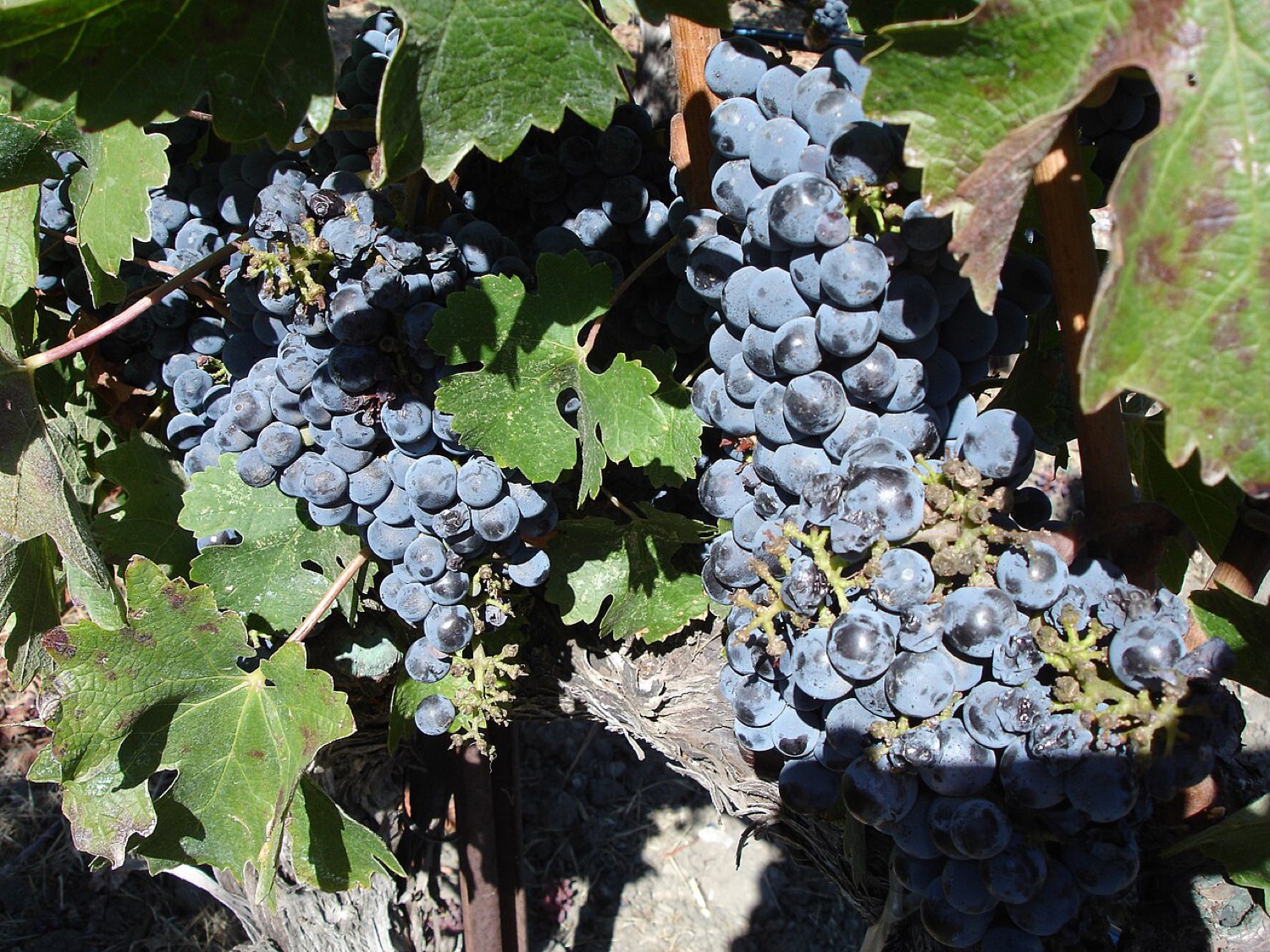
Napa Valley Cabernet Sauvignon: Valley Floor and Mountain
August 11, 2026
Cabernet Sauvignon is the grape that made Napa Valley famous, and it remains the valley's most planted and most valuable variety by a wide margin. Roughly half of Napa's vineyard land grows it, and Napa Cabernet sells for more per ton than almost any other grape in the United States.
How Cabernet conquered the valley
Cabernet was planted in Napa in the nineteenth century, and wines from estates such as Inglenook in Rutherford won praise long before Prohibition. After repeal, a handful of producers kept the tradition alive, notably Beaulieu Vineyard, where the Russian-born winemaker André Tchelistcheff shaped a style of long-aged reserve Cabernet from the late 1930s onward. The modern era began in the 1960s, when a new generation of wineries opened along Highway 29, and it went global in 1976, when a Napa Cabernet from the Stags Leap District beat top Bordeaux in a blind tasting in Paris.
What the label means
Under United States rules, a wine labelled "Cabernet Sauvignon" must contain at least 75 percent of that grape. Most Napa Cabernets are in fact blends, with Merlot, Cabernet Franc, Petit Verdot or Malbec making up the balance. A mountain Cabernet might be 90 percent Cabernet and 10 percent Merlot, with the Merlot adding flesh to the middle of the wine; we explain why in Merlot as a blending grape. Wines that use a Bordeaux blend without reaching 75 percent of any one grape are often sold under a proprietary name.
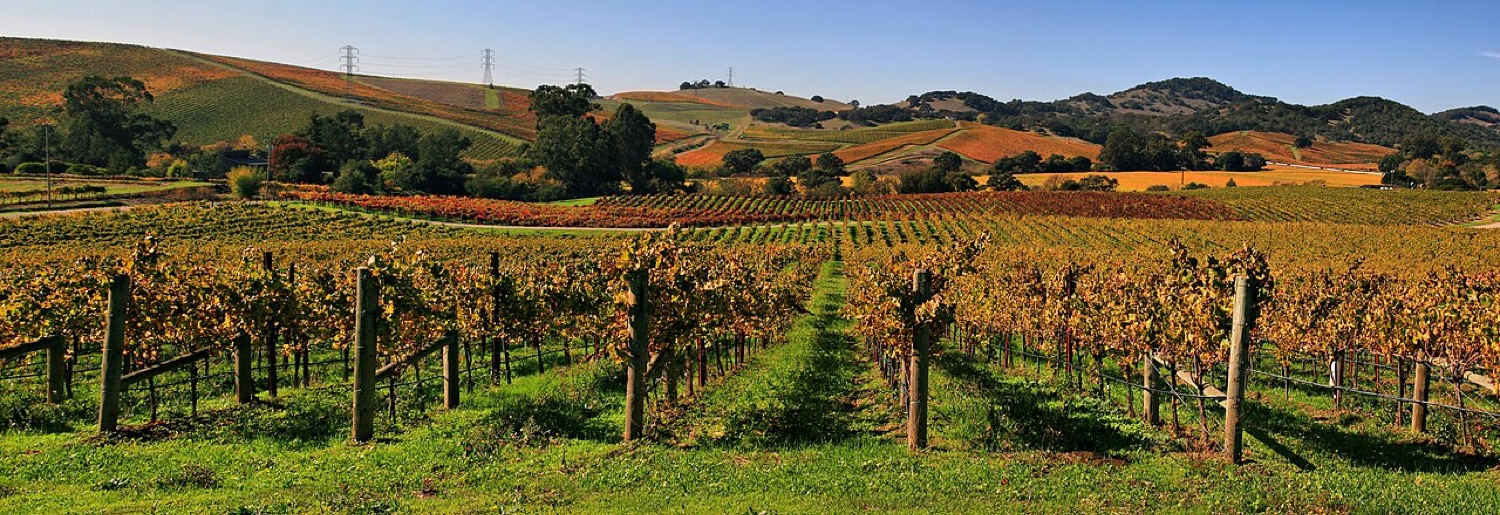
Valley floor versus mountain
| Style | Typical areas | In the glass |
|---|---|---|
| Valley floor | Oakville, Rutherford, St. Helena, Yountville | Ripe plum and cassis, generous texture, approachable younger |
| Eastern benches | Stags Leap District, Oak Knoll | Softer, silkier tannins, red and black fruit |
| Mountain | Spring Mountain, Diamond Mountain, Mount Veeder, Howell Mountain | Dark, firm, mineral and herbal, long-lived |
Mountain Cabernet from the Spring Mountain District often shows a deep, almost inky colour, blackcurrant and cedar aromas, and a tannic grip that softens over ten to fifteen years or more. Well-made examples are charming young if decanted, but they are built for the cellar.
Cult Cabernet: the highest-stakes table in wine
No wine category behaves more like a high-stakes game than Napa's so-called cult Cabernets: tiny-production wines sold mostly through mailing lists with waiting lists years long, then traded at auction for many times their release price. The defining moment came at the Napa Valley Wine Auction in 2000, when a single six-litre bottle of 1992 Screaming Eagle sold for $500,000, at the time the highest price ever paid for a single bottle of wine. Collectors who bought allocations early in the 1990s were, in effect, holding winning tickets. Those who bought at the peak of later bubbles were less fortunate. We look at how wine auctions and pre-release buying work, and why both resemble placing a bet, in wine auctions and the gamble of buying futures.
Cabernet is also the backbone of the great casino wine lists. Walk into a steakhouse in any Las Vegas resort and the Napa Cabernet section is usually the thickest part of the book, priced for players celebrating a good night at the tables. See the great wine lists of Las Vegas casino resorts for what to look for.
Serving and ageing
- Serve at about 60–65°F (16–18°C); warmer than that and alcohol dominates.
- Decant young mountain Cabernet for an hour or two.
- Pair with grilled beef, lamb and hard cheeses; more ideas in food pairing with Napa wine.
- Check a vintage chart before you open older bottles.